

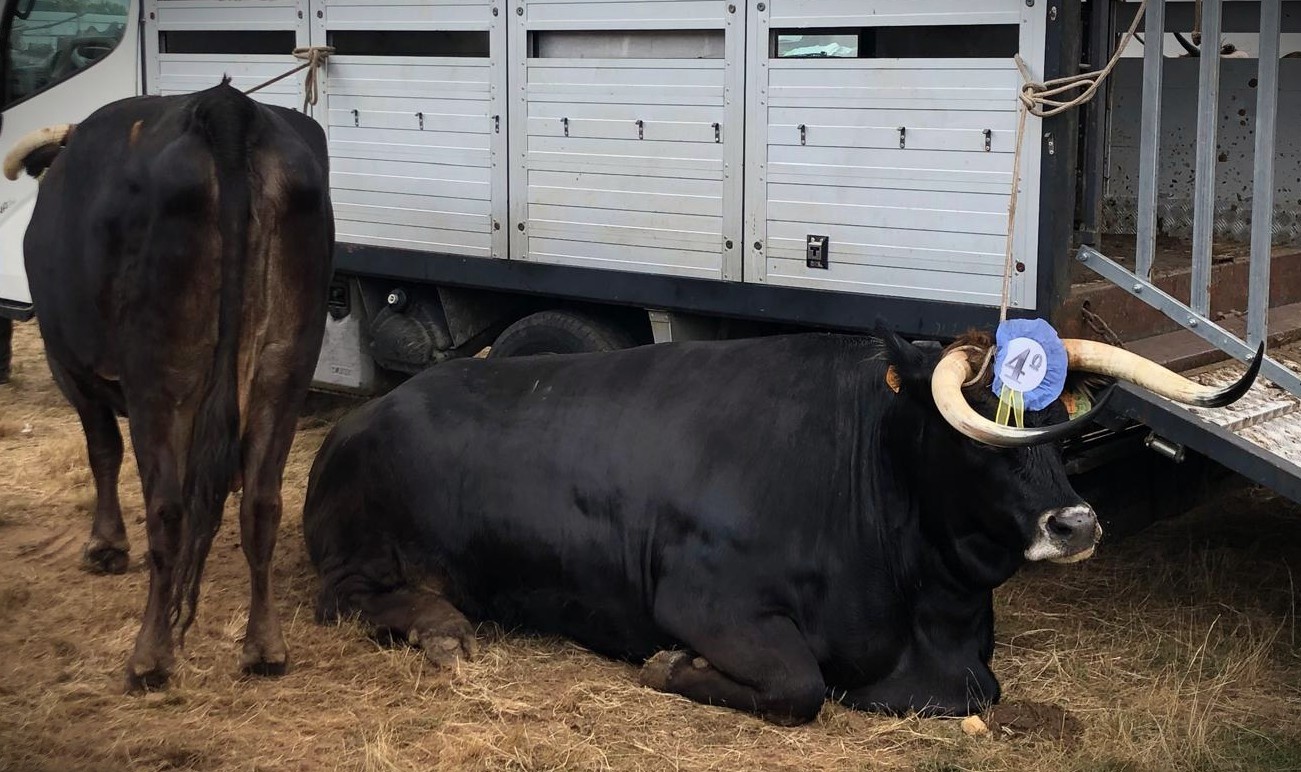
In the steps of the Trás-os-Montes mountain ranges, among rugged valleys and it’s meadows, in the Alvã Natural Park another Editions of the Maronesa breed cattle contest ocurs.Organized by the Associação de Criadores do Maronês (Maronesa Cow Breeders Association), this yearly gathering both a celebration and a moment for reflection on the importance of this native breed to the life and future of Vila Real and the Alto Douro region.
The Maronesa cattle breed, considered one of the closest descendants of the ancient aurochs (the wild ancestor of modern cattle) is a symbol of resilience and adaptation. Shaped by the harsh mountain climate, it has evolved into a robust animal capable of surviving where others cannot. For centuries, it played a vital role in the agricultural work, and today it stands out for its high-quality meat, gaining reputation beyond national borders and already received international awards.
However, this event goes beyond showcasing animals. It reflects the concerns and opportunities facing the Trás-os-Montes region. Extensive farming of this native breed is widely seen as a model of balance between production, environmental respect, and social cohesion. Initiatives such as the LIFE maronesa project promote practices that improve soil fertility, help sequester carbon, and reduce wildfire risk—demonstrating that sustainable livestock production is possible.
Duarte Marques, a member of Aguiarfloresta, told Lusa news agency: “The conservation of the land and its natural and environmental values is only possible thanks to the resilience of those who manage this territory. The true guardians of this heritage are the people, and this campaign aims to highlight those who live here and work every day.”
The presence of these animals also has a positive impact on the landscape and biodiversity. By maintaining clean fields and well-kept meadows, farmers contribute to soil regeneration and to the survival of species such as the Iberian wolf. “The revival of traditional meadows and the increase in plant and animal diversity are clearly noticeable,” noted a technician involved in one of the LIFE maronesa projects.
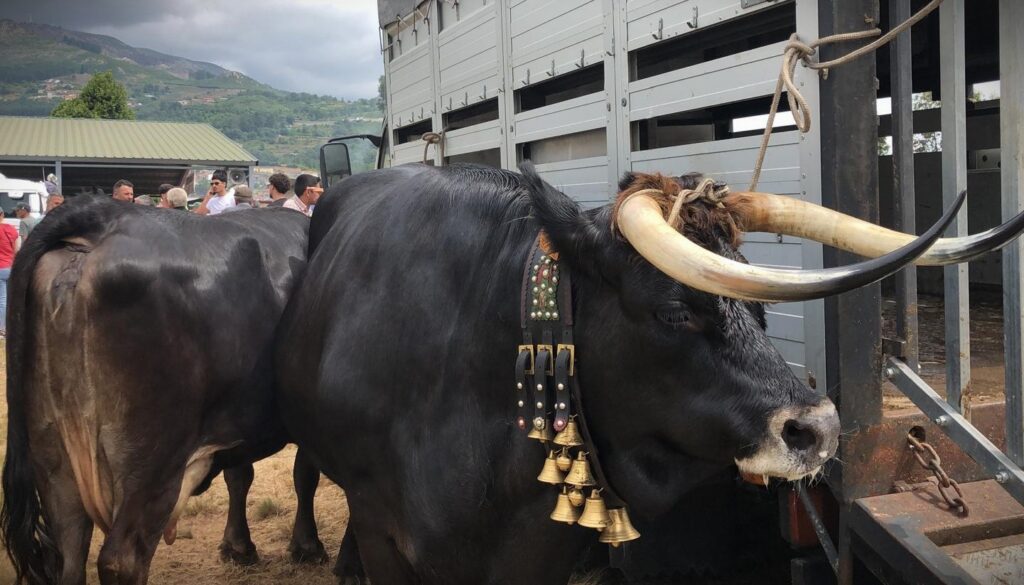
Native Maronesa cattle breed, representative prepared for the competition.
Despite progress, challenges remain. The price paid to producers continues to be a concern, especially when compared to more intensive production systems. Many animals are sold to spanish markets, where the meat fetches higher prices, raising questions about the fair valuation of local products. Additionally, the aging rural population and land abandonment threaten the continuity of this tradition.
To counter these trends, new projects are focusing on education, tourism promotion, and the valorization of local knowledge. Community involvement, combined with innovation, is seen as the path forward to preserving the connection between the Maronesa breed, the land, and future generations.
With its striking natural landscape, Alvão Natural Park provides the perfect setting for this balance between tradition and progress. The Maronesa Contest, more than a competition, is a call to preserve a breed and a way of life that are part of a shared heritage.
By the end of the day, amid the buzz of visitors and the pride of breeders, it becomes clear that the Maronesa is more than just an animal, it’s the expression of a land that endures, adapts, and believes in the value of its roots.

You must be logged in to post a comment.