

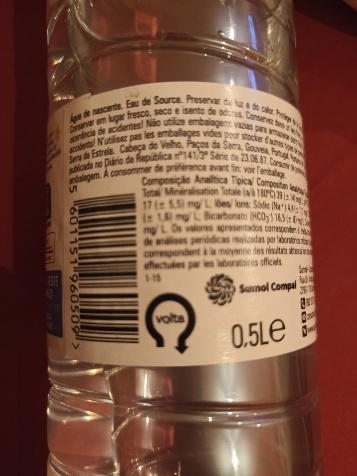
Nova Taxa “Volta” entra em vigor em Portugal
Um grupo de alunos do 9ºD, da Escola Básica de Perafita, decidiu investigar sobre a nova taxa “Volta” que começou a ser aplicada em Portugal desde o dia 10 de abril. A medida, aprovada pelo nosso Governo, pretende incentivar comportamentos mais sustentáveis e gerar receitas para apoiar projetos ambientais. Apesar de algumas críticas, as autoridades defendem que a iniciativa trará benefícios para o país a longo prazo.
 Rui Manuel Guimarães da Silva Silva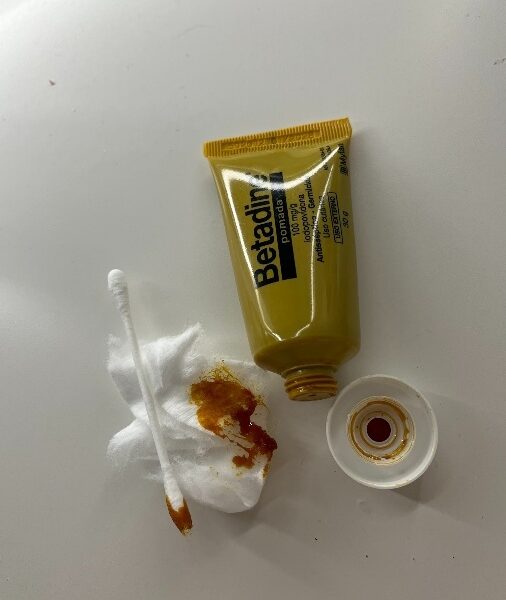
Resíduos Hospitalares: Um Perigo Invisível no Porto
Segundo as pesquisas do nosso grupo, concluímos que, os hospitais produzem diariamente grandes quantidades de resíduos que podem ser perigosos para a saúde pública e para o ambiente. No Porto, o Hospital Pedro Hispano e o Hospital de São João têm sistemas de gestão e separação destes resíduos, mas ainda existem desafios importantes. A correta eliminação deste lixo é essencial para evitar contaminações e proteger a população.
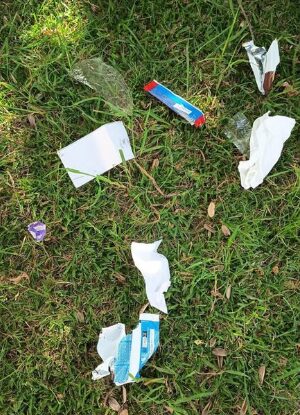
O lixo na escola: um problema de todos
Todos os dias, após os intervalos, o mesmo cenário repete-se: lixo espalhado pelo recreio. Ironicamente, os caixotes do lixo continuam quase vazios, mas o chão fica coberto de pacotes de sumo, guardanapos e plásticos. Como alunos responsáveis, deparamo-nos com uma triste realidade: o problema não é a falta de infraestruturas, mas sim a nossa falta de atitude. Investigamos esta “epidemia” de lixo espalhado pela nossa escola e percebemos que esta atitude reflete um problema muito maior que o desrespeito pelo nosso espaço, reflete desinteresse pelo ambiente e pelo impacto que causamos no mundo.
O Impacto do Sistema “Volta” em Portugal: Desafios e oportunidades na promoção da reciclagem e da economia circular
Com o objetivo de combater a poluição e aumentar a reciclagem em Portugal, entrou em vigor, no dia 10 de abril de 2026, o sistema “Volta”, um modelo de depósito e reembolso de embalagens que permite devolver garrafas de plástico e latas usadas em pontos de recolha autorizados, promovendo a reciclagem, reduzindo a poluição e incentivando hábitos mais sustentáveis.
 Vítor Manteigas
You must be logged in to post a comment.