

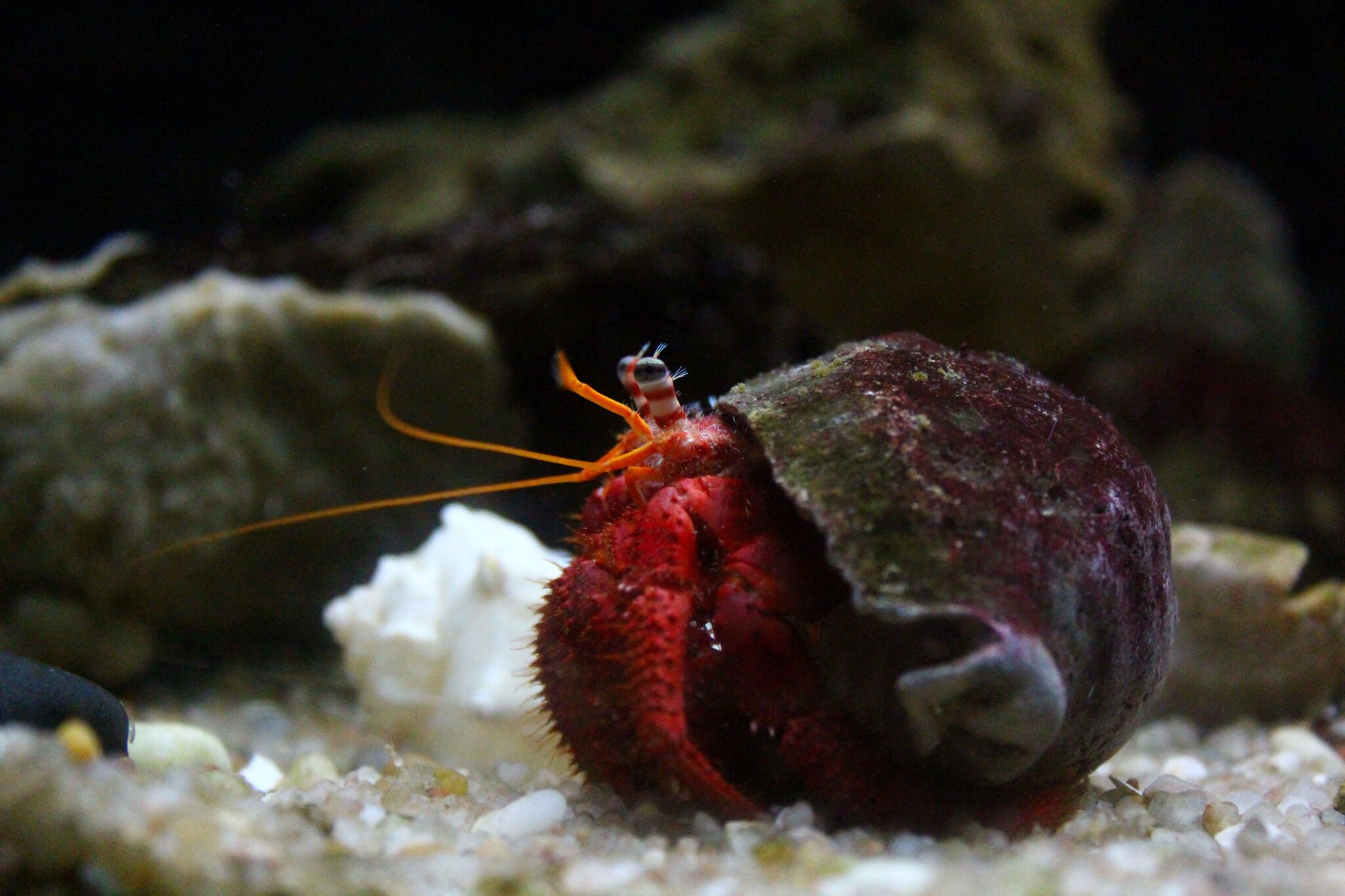
The Vasco da Gama Aquarium, founded in 1898 by King Carlos the First is one of the oldest working aquariums in the world. It is a home for many species of sea life from all over the world and works on not only preserving rare fish but also educating the visitors on current ecological issues.
King Carlos I’s unmeasured curiosity about the deep sea led him into researching and catching many species of fish like the Pacific footballfish. King Carlos also documented many species of birds and went on to make the first portuguese catalogue with his own illustrations, he was the first person to do microscope photography, a tool that has helped many researchers all the way until today. Three years after it opened the aquarium was financially unsustainable, due to the need to hire ships every week to bring more fishes. The lack of knowledge about the way to take care of them caused the fish to live up to about a week. This led to the aquarium facing bankruptcy and closing, it was later reopened with the help of the portuguese navy in 1901.
Vasco da Gama aquarium holds a big collection of species (over 300) either alive or preserved in methane and alcohol. The most eye-catching preserved fish is the giant squid, a very rare specimen to have, as they often get eaten by spermwhales. The aquarium used to have a live exhibition of sea lions, always having at least one individual of the species over the years. After the death of the final sea lion in 2016, the aquarium decided not to continue with this long tradition as the aquarium couldn’t provide the necessary conditions for the animal’s wellbeing. Now they are preserved for the visitors to see in a museum exhibit inside the aquarium. Inside this museum exhibition there’s also a native species of seal on display called mag seals ,which are currently endangered. There’s also a display with numerous cetaceans, as they used to collect them up, as they washed on the shore.
Other than the normal fish exhibition, there are shark and stingray species on display in the aquarium.Theese animals vary from the other fish species as their internal skeleton is made from cartilage and not bone, making them more limbal and light. There are fifty births of sharks and eight births of stingrays that they breed at the aquarium. There’s also invertebrates like the starfish. They usually have five arms, but can also have ten or more,being the maximum fifty arms. They feed by digesting food outside of their body and eat mostly rotten things. Therefore being the first step of recycling organic matter which makes them a crucial part of the ecosystem.
As for the live fish, some worth mentioning are the puffer fish that inhale water and increase its size in order to appear larger and defend themselves when they are threatened or stressed. The clownfish, which makes its home in a toxic sea anemone, toxicity that doesn’t affect them, making a symbiotic relationship. There is a common misconception that they lay their eggs there but most of the time they don’t. Another one is the electric eel. Its organs are close to its head so the rest of its long body only has muscles in order to produce electricity. The electricity can go up to 650 volts and it mostly uses it to eat and communicate. It can also use it for defense but most animals chose not to attack it in the first place.
Besides them there is a huge variety of fishes, large or small, and even some amphibians for the viewer to enjoy.
In the museum’s laboratory, biologists take care of sick fish in quarantine and also grow plankton, so that it can be used as a food for the fish and since this is one of the only few such labs in the country, their plankton is also used by many biologists for research as well as they perform research in this lab too.
Keeping fish in an aquarium doesn’t necessarily hurt the animal, however as well as for animals in the zoo, their living habitat is very limited and they are not exposed to the natural effects which means their immunity could worsen through generations. Also a successfully maintained aquarium requires lots of care, which takes time and resources, but most importantly it consumes fresh water. Fish require oxygen and some minerals which they would derive from water (because they are dissolved in it). Oxygen is added to water by causing mechanical surface waves, which consumes electrical energy. Approximately 30% of the aquarium’s water capacity shall be replaced with fresh one every week, so that the mineral levels in water and the pH level both remain safe for the survival of contained species.
The fact that the museum is open to visitors and therefore the aquariums are visible to everyone, museum’s visitors are also a factor in impacting the life of the kept species. Using flashlights for taking photos of aquariums is forbidden but there are no personnel who would be actively preventing it, which means the life of species is sometimes impacted by it. This goes hand in hand with people touching the aquarium’s glass or banging on it. Both increase fish stress levels. Marco Ferreira (head of the educational program of the museum) thinks that humans only protect what they know (a quote “”Humans only protect what they know” which most likely comes from the oceanarium biologist Jacques Cousteau), which shows the importance of awareness and education for the proper functioning of these types of establishments.
Overall, the Vasco da Gama Aquarium has a very interesting collection of fishes and it educates the viewer. But seeing all the live fishes, someone can’t help but wonder if keeping fishes in captivity is really ethical. Maybe there are other ways to achieve the same results without “imprisoning” animals.