

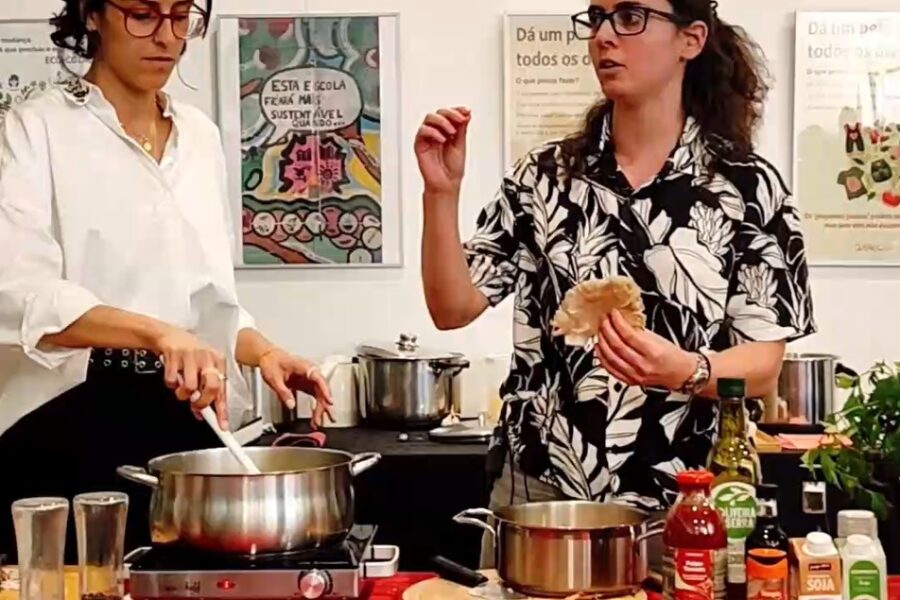
Showcooking of plant-based food, to promote a more sustainable diet.
According to EAT Lancet – Healthy Food Accessible to All, food systems are not only victims of climate change. They are also one of its main causes.
In fact, food production is responsible for a significant part of global greenhouse gas emissions. For example, meat production, especially beef, has a very high environmental footprint, contributing to methane emissions and the destruction of ecosystems.
Integrated into the Lisbon Eco-Polytechnic Week and celebrating World Earth Day, the Desafio Vegetariano (Vegetarian Challenge), showed us a way to promote a more sustainable diet supported by a plant-based food.
 Vítor Manteigas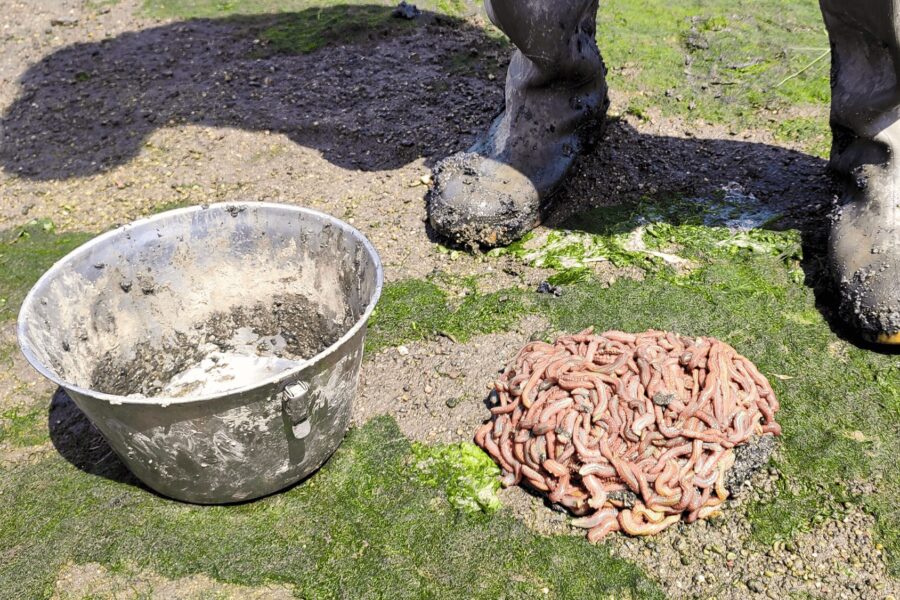
A treasure hidden in mud
On the banks of the Esposende estuary, worm harvesting—locally known as “cagão” or scientifically as Arenicola marina—is an important tradition for fishing and for the identity of the local community.
 JRA
JRA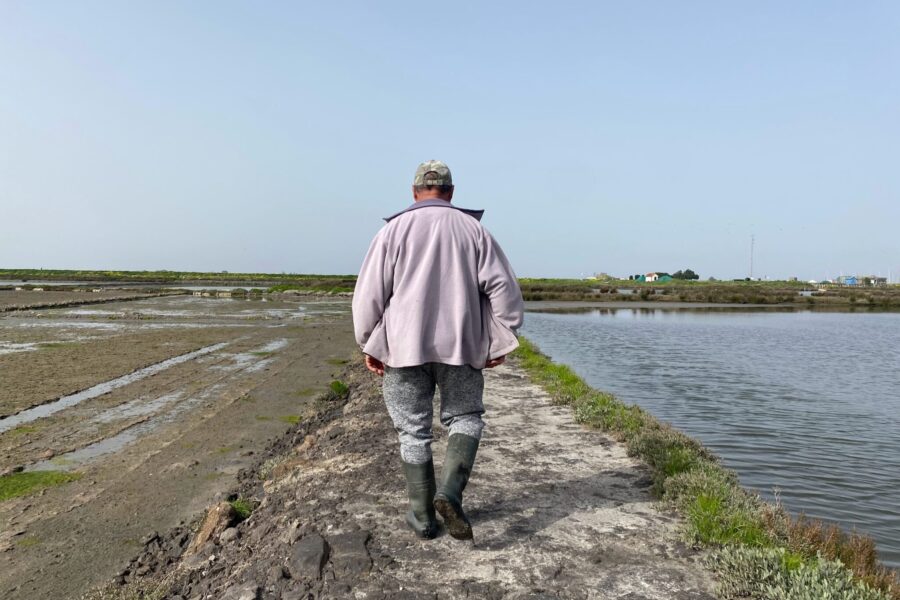
Rooted in salt, eyes on the future
For years overlooked, salicornia is now emerging as a valuable food source, an economic asset, and a powerful symbol of adaptation to extreme environments. Its presence signals a living ecosystem increasingly under threat. João, a salt worker from a long family tradition, mourns the ongoing loss of the habitats where the salicornia thrives. With its recognized health benefits and growing gastronomic use, the question remains: can this “sea asparagus” become a convincing case for preserving these fragile ecosystems while also offering sustainable economic value to the region?
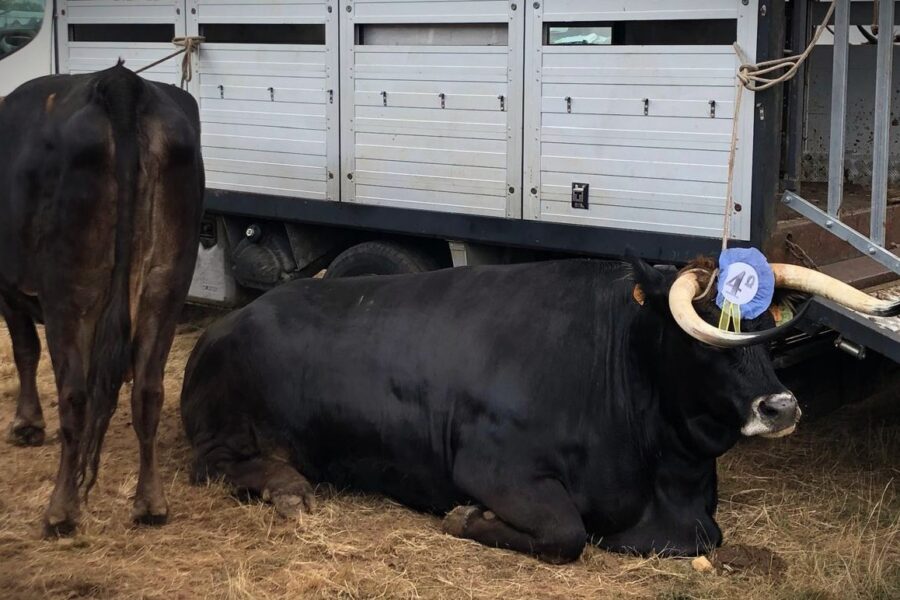
Maronesa unites tradition and future in the heart of Alvão.
At the entrance to the Alvão Natural Park, in Vila Real, the 31st National Maronês Competition, held on Saint Anthony’s Day by the Maronês Breeders Association, is much more than a livestock event. It is a vivid portrait of the traditions, challenges, and hopes of a region where the Maronês breed is intertwined with the very identity of the Alto Douro Transmontano territory.
You must be logged in to post a comment.